
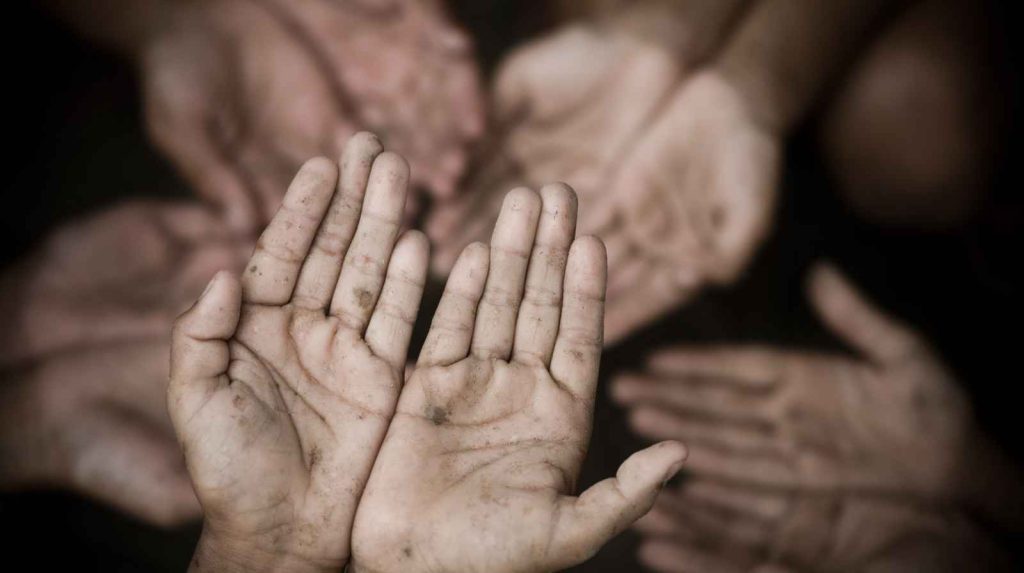
Grief is not a problem to be solved but a journey to be walked. For families who have lost loved ones in military service, that journey is uniquely complex and enduring. Military loss carries layers of national significance, public recognition, and communal responsibility that both comfort and complicate the grieving process. How does an organization support a widow whose identity was intertwined with her military spouse role? How do you help a child comprehend a loss they're too young to understand? These questions drive comprehensive emotional support provided by Israel's leading organization for bereaved military families.
What Makes Military Grief Different From Other Forms of Bereavement?
Soldier or security personnel loss carries distinct psychological dimensions requiring specialized understanding. Unlike anticipated deaths following illness, military deaths are often sudden, traumatic, and violent, leaving families without preparation or goodbye opportunities. Death circumstances may involve combat, terrorism, or service accidents, each adding trauma layers beyond grief itself. Families process not only personal loss but also their loved one's death in national service and collective sacrifice contexts.
Military widows and orphans navigate grief in uniquely public spheres. Their loss receives media coverage, national ceremony recognition, and political discussion. While public acknowledgment provides validation, it can feel intrusive and complicate private grieving. The website https://www.idfwo.org/en understands these unique dimensions and develops specialized programs addressing both universal grief aspects and particular military family challenges. The IDF Widows and Orphans Organization is a nonprofit organization founded in 1991, and operates on the basis of the Fallen Soldiers' Families Law, with the aim of supporting and empowering the widows and orphans of fallen servicemen of the IDF and other security personnel, and to create a supportive community for bereaved families.
How Does Individual Counseling Provide Personalized Emotional Support?
Individual therapy offers private, confidential space where widows and orphans process grief without pressure to be strong for others or maintain public composure. The organization provides licensed therapists specializing in trauma, bereavement, and military family dynamics. These professionals understand grief manifests differently in each person and effective support must be tailored to individual circumstances, personality, and coping styles.
For widows, therapy focuses on identity reconstruction, helping navigate transitions from "we" to "I" and spouse to single parent. Many describe losing not just partners but their sense of self. According to National Institute of Mental Health research, identity disruption following spousal loss significantly predicts complicated grief, making targeted intervention crucial. Therapists help explore: Who am I without my spouse? How do I make decisions alone? How do I honor my past while building futures?
For orphans, especially young children, therapy addresses developmental challenges unique to growing up parentless. Young children struggle understanding death's permanence, experiencing recurrent confusion or hope parents will return. Adolescents grapple with anger, guilt, or beliefs they could have prevented loss. Therapists use age-appropriate interventions—play therapy for young children, cognitive behavioral approaches for adolescents—helping process grief while continuing emotional and social development.
Why Are Peer Support Groups Essential for Healing and Connection?
While individual therapy provides personalized support, support groups offer something equally valuable: being truly understood by others walking similar paths. The organization facilitates numerous widow support groups, bringing together women of similar ages, life stages, or years since loss. In these groups, widows discover they're not alone in struggles, complicated emotions, or moments of both strength and despair.
The organization facilitates groups for fallen soldiers' siblings, recognizing brothers and sisters experience their own grief form often overshadowed by attention to widows and orphans. These siblings may struggle with survivor's guilt, difficulty understanding parents' profound grief, or confusion about their own identity relating to lost siblings. Creating sibling-specific spaces acknowledges their loss and provides community among others understanding their unique experience.
How Do Therapeutic Retreats Provide Intensive Healing Opportunities?
Beyond regular therapy and support groups, the organization offers intensive therapeutic retreats removing families from daily routines and immersing them in focused healing experiences. These multi-day programs combine professional therapeutic interventions with recreational activities, community building, and moments of reflection and joy. Retreats provide concentrated emotional work time in environments designed to feel safe, supportive, and removed from everyday stressors.
For widows, retreats focus on themes like rebuilding identity, developing resilience, or navigating specific life transitions such as children leaving home or re-entering dating worlds. Mental health professionals facilitate these retreats incorporating evidence-based therapeutic modalities including narrative therapy, mindfulness practices, and cognitive restructuring techniques. They also include connection time, laughter, and simple rest—reminding participants healing includes not just processing pain but reclaiming joy.
What Role Does Community Play in Long-Term Psychological Wellbeing?
One of the organization's most powerful therapeutic interventions isn't a program or service but a community—a network of individuals sharing military loss experience and committing to support each other through ongoing grief challenges. This community functions as extended family, providing practical and emotional support continuing for life. Members celebrate each other's milestones, offer support during difficult moments, and remind each other they're not alone.
Community connection addresses bereavement's most damaging aspect: social isolation often following loss. Many widows describe feeling abandoned by friends who don't know how to help or expect grief to follow neat timelines. The organization's community provides space where grief is understood, accepted, and supported without judgment or pressure to "move on." This ongoing connection becomes resilience sources, helping members navigate grief's lifelong nature while building meaningful, joyful lives.
Social connection's therapeutic power cannot be overstated. Isolation compounds grief's psychological effects, while community belonging provides protective factors against depression, anxiety, and complicated grief. The organization creates multiple community engagement opportunities—from formal support groups to informal social gatherings—ensuring members find connection forms that work for their personalities and needs.
How Does the Organization Ensure Program Effectiveness?
The organization continually assesses and adapts programs based on member feedback and outcomes data, ensuring services actually meet bereaved families' evolving needs. Regular surveys, focus groups, and individual consultations provide insight into what works and what needs adjustment. This responsiveness ensures programs remain relevant and effective as individual needs and broader social contexts change.
Commitment to evidence-based practice means incorporating therapeutic interventions research has demonstrated effective for trauma and bereavement. But it also means listening to lived experience wisdom—recognizing members themselves are experts in what they need and what helps. This combination of professional expertise and member-driven programming creates dynamic, responsive support systems truly serving bereaved military families' complex emotional and psychological needs, transforming grief into resilience and isolation into community for life.